
Understanding the Psychological Dynamics of Gambling Behavior
The Allure of Gambling
Gambling has captivated human interest for centuries, drawing individuals into its thrilling embrace with the promise of fortune and excitement. The allure often stems from the psychological concepts of risk and reward, where players engage in games of chance, hoping to strike it rich. The adrenaline rush that comes with placing a bet can create a euphoric experience, making it difficult for individuals to resist the temptation to play again. In today’s digital landscape, many people seek the thrill of gambling online, such as finding the best online casino real money opportunities that offer excitement from the comfort of their homes.

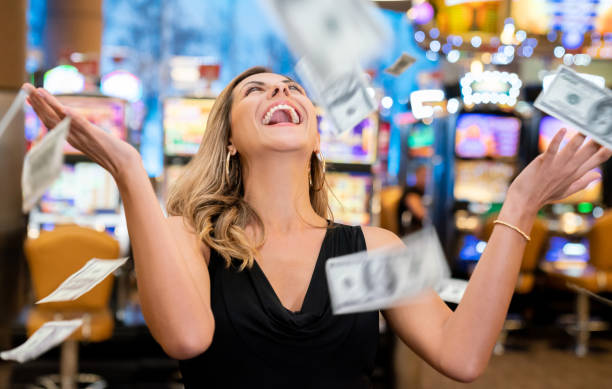
This excitement is amplified in environments such as casinos, where sensory stimuli like flashing lights and captivating sounds create an atmosphere designed to enhance the gambling experience. This carefully curated environment reinforces the cycle of hope and anticipation, prompting players to chase their dreams of winning, often overlooking the odds stacked against them.
Several psychological triggers influence gambling behavior, shaping why individuals choose to engage in this activity. One key factor is the phenomenon known as “the Gambler’s Fallacy,” where players mistakenly believe that past outcomes influence future results. For example, someone might think that a slot machine is “due” for a payout after several losses, leading to an increased desire to continue playing.
Moreover, the concept of intermittent reinforcement plays a significant role in maintaining gambling behavior. The unpredictability of wins encourages players to keep trying, as they associate the possibility of winning with excitement and a sense of achievement. This creates a powerful loop that can lead to compulsive gambling for some individuals.
Emotions significantly impact gambling decisions, influencing both the choice to gamble and the extent of that gambling behavior. For many, gambling serves as a form of escapism, allowing them to temporarily forget about life stresses or emotional pain. The thrill of the game can provide a distraction from negative feelings, creating a pattern where individuals gamble to cope with their emotions.
Social dynamics also play a crucial role in shaping gambling behavior. Peer pressure can significantly influence an individual’s decision to gamble, especially among young adults. In environments where gambling is normalized, individuals may feel compelled to participate in order to fit in or be accepted by their peers.
Moreover, social learning theory suggests that individuals learn behaviors from observing others. When someone sees friends or family members winning, they may be more inclined to try gambling themselves, believing they too can experience similar success. This social reinforcement can perpetuate gambling habits, making it essential to consider the community’s impact on individual behavior.
As gambling continues to evolve, particularly in the realm of online platforms, ensuring a safe and secure environment for players is of utmost importance. Websites dedicated to gambling must implement robust security measures to protect users from potential threats, ensuring both a safe gaming experience and access to valuable content.
By providing guidelines and support for users, these platforms can help mitigate risks associated with gambling. Encouraging responsible gaming practices and offering resources for those who may struggle with gambling addiction are crucial steps in promoting a healthier relationship with this popular activity.
“`